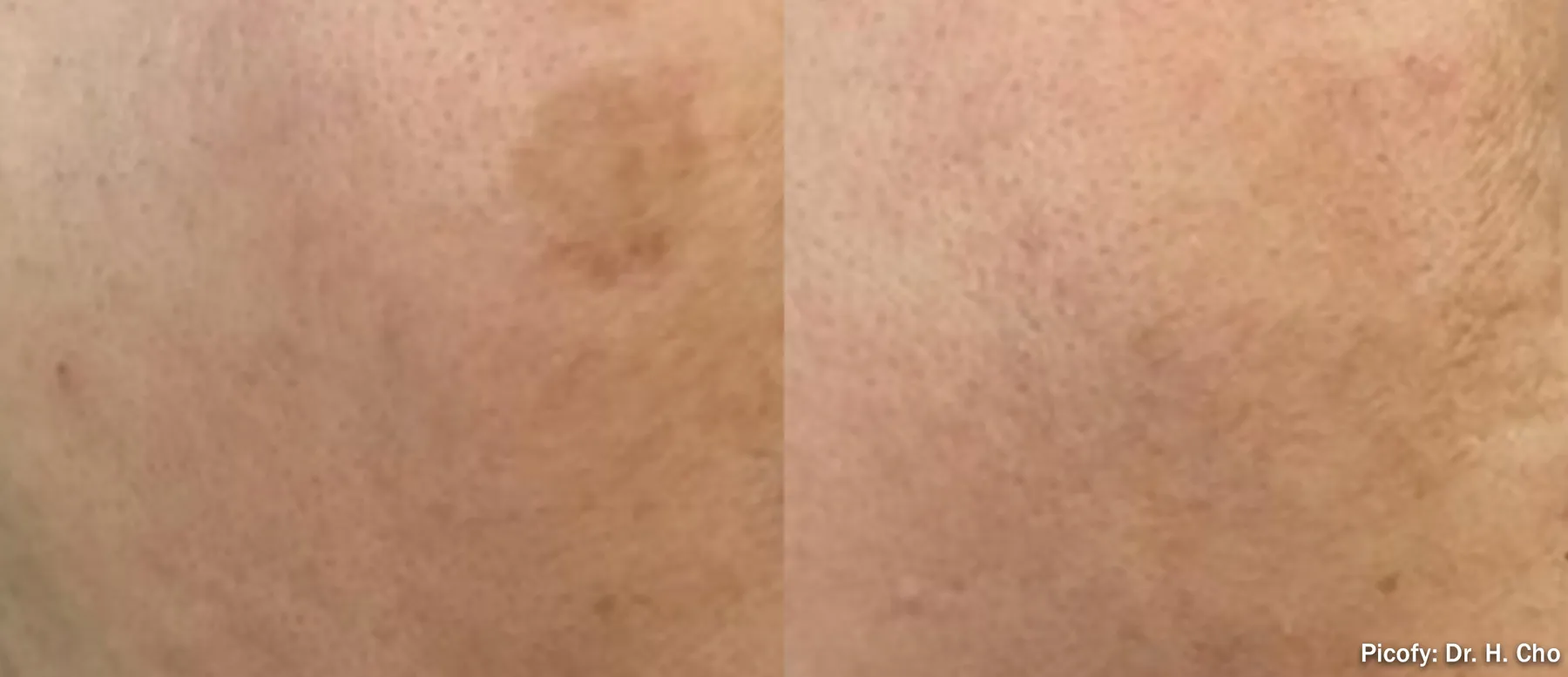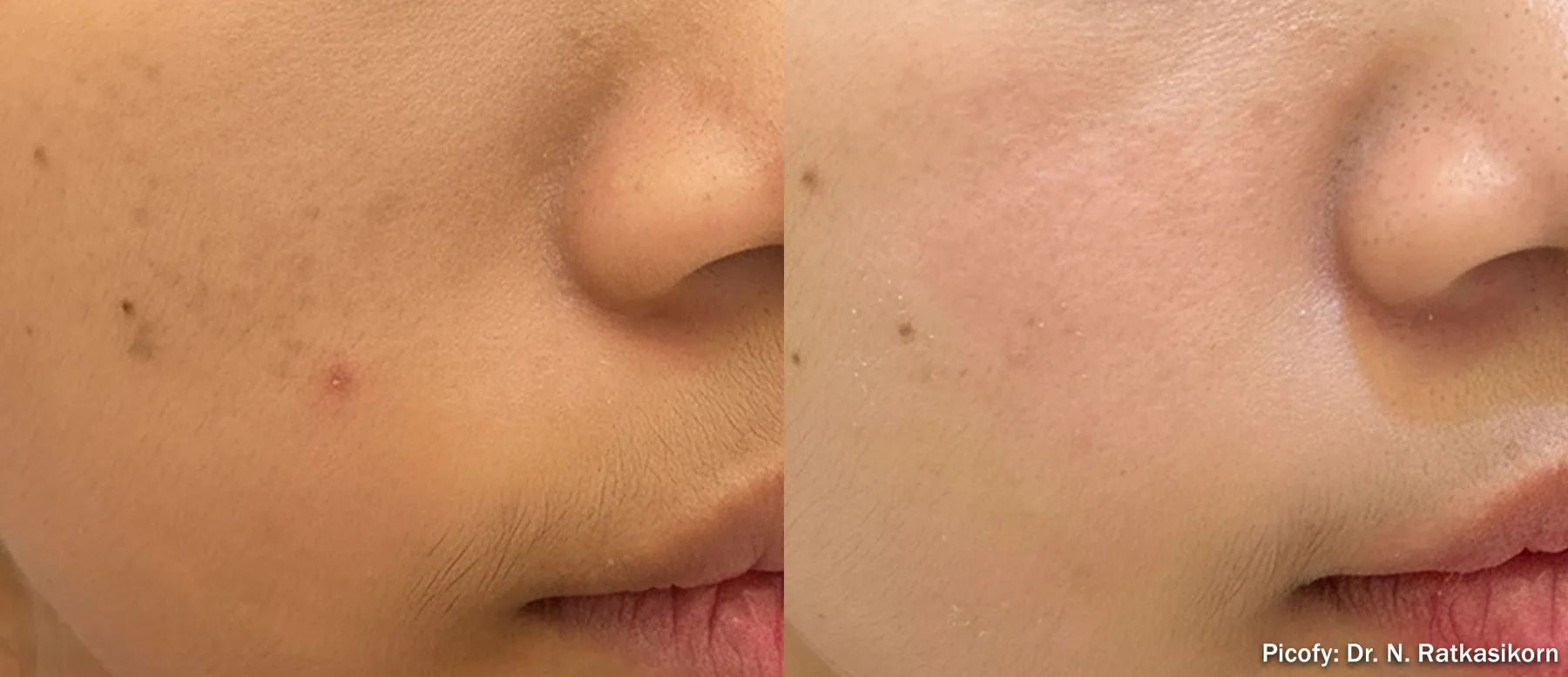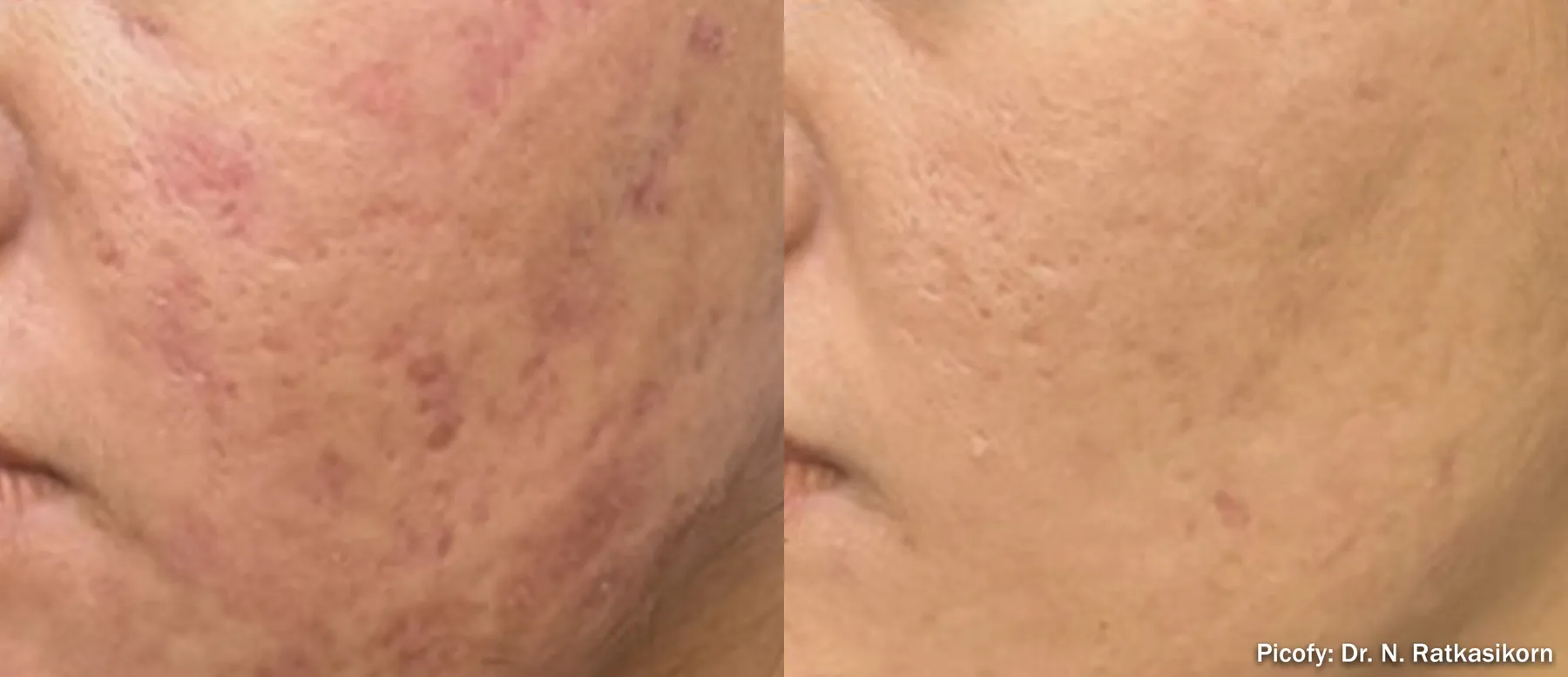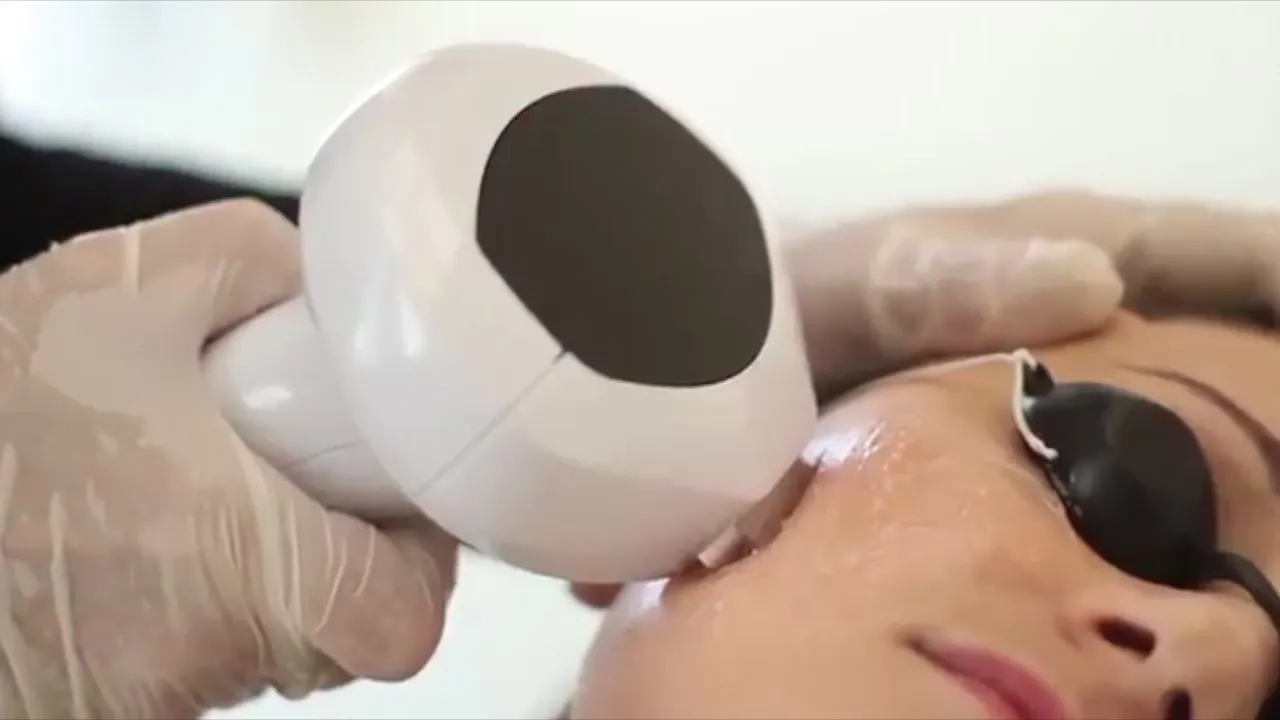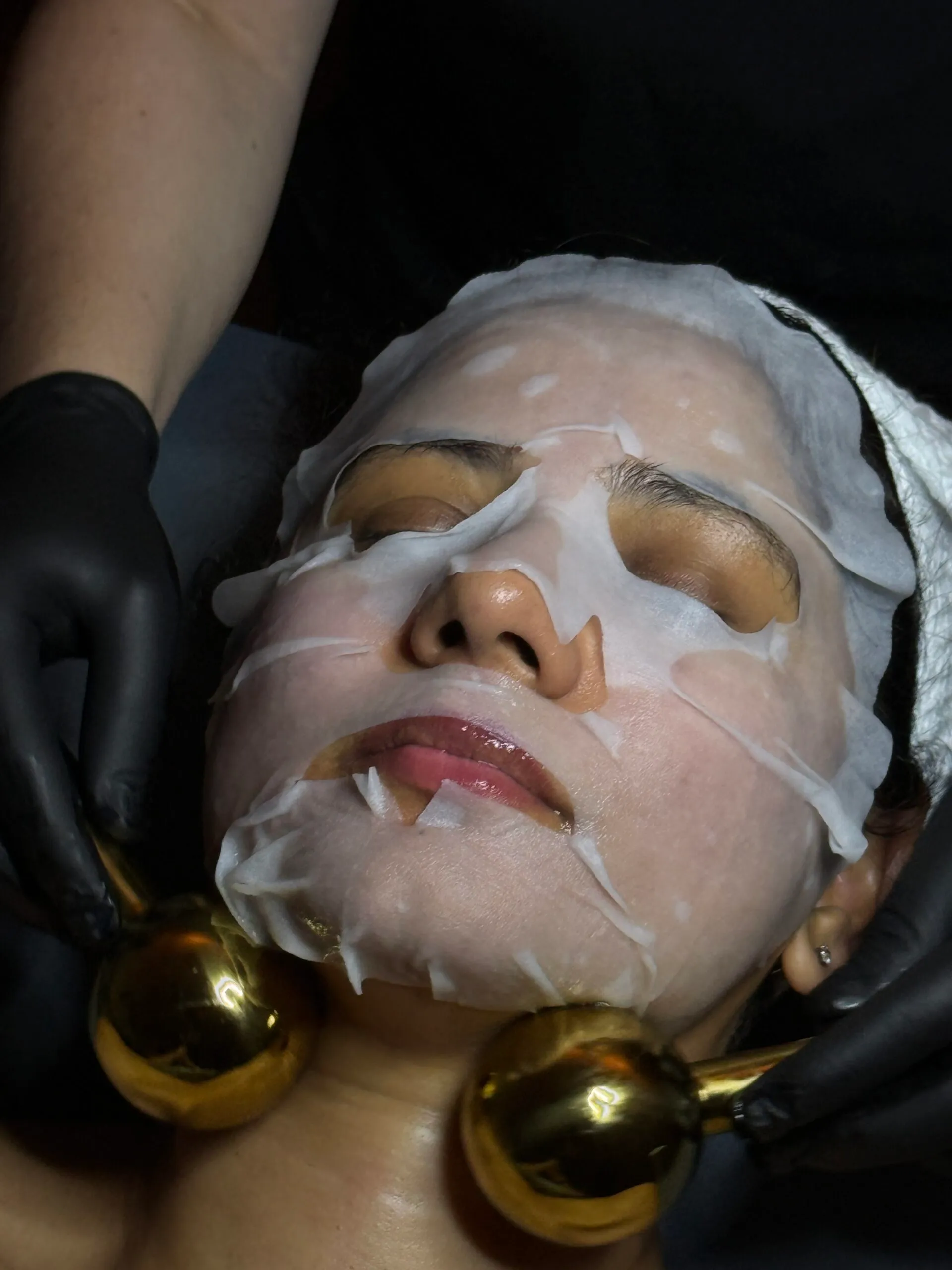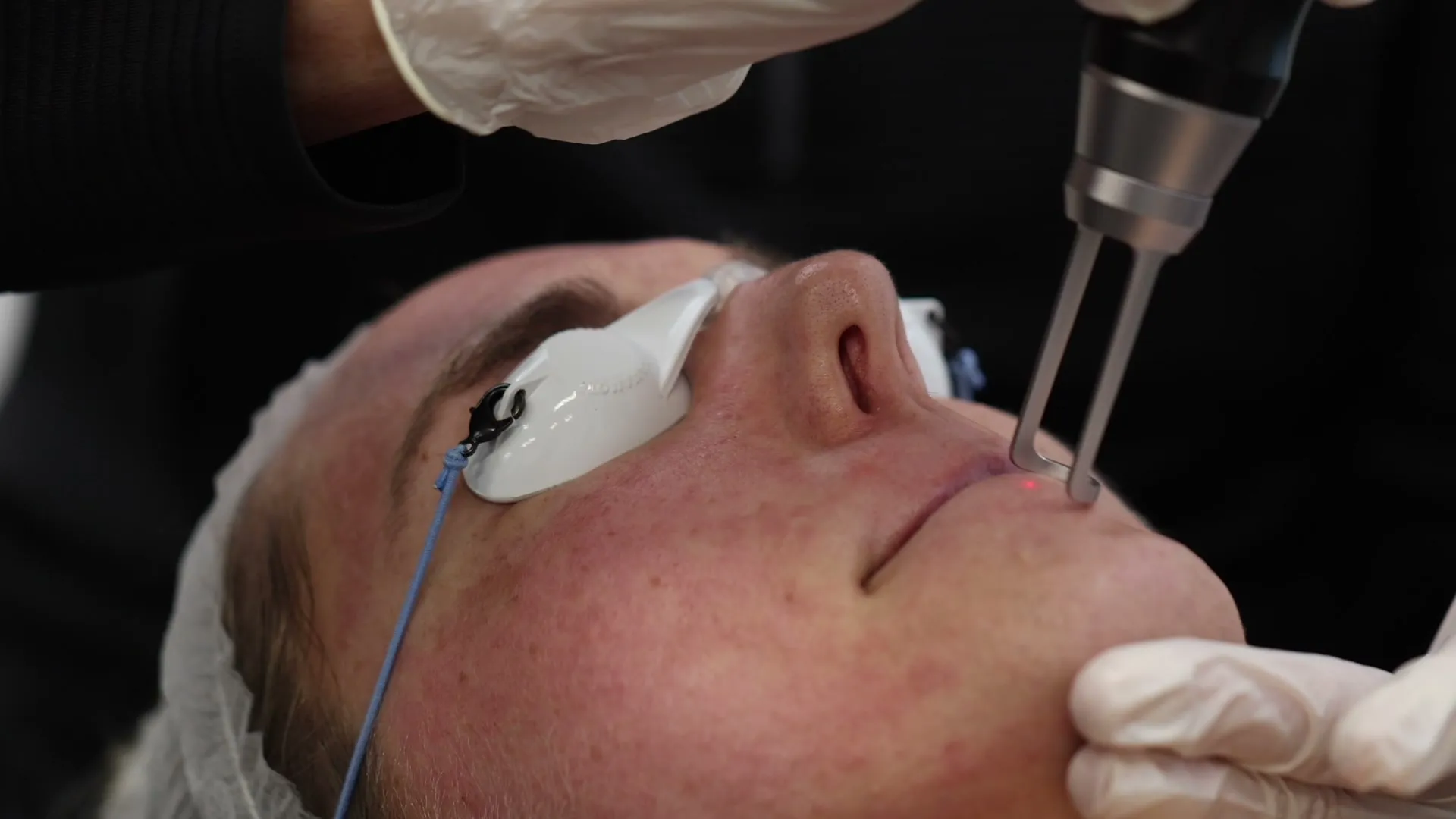
Skincredible is the only clinic in Wichita offering the Picofy picosecond laser, and once you understand what this technology does, you’ll understand why. Picofy delivers energy in picoseconds (trillionths of a second), shattering pigment particles with a photoacoustic effect rather than heat. That means melasma and stubborn dark spots that have resisted creams, peels, and older lasers can finally be treated effectively, with less risk to the surrounding skin, while the same energy stimulates collagen to refine texture, pores, and tone.
You may be a good candidate for Melasma & Dark Spot Laser if…
- Dark patches haven’t budged with creams or peels
- You have stubborn dark spots or acne marks
- You want smoother skin and smaller-looking pores
- You have a medium or deeper skin tone
- You’ve been told your spots can’t be treated safely
Sound like you? Your first consultation is free — we’ll talk through your goals together and map out a plan that fits them.
The only Picofy laser in Wichita
Picosecond lasers are the technology of choice at leading dermatology practices on the coasts, but they remain rare in the Midwest, and Skincredible is the only provider in the Wichita area offering Picofy. Clients come to us from across the metro and the surrounding communities because no other med spa nearby offers this level of pigment-clearing technology. If you’ve been told your melasma or dark spots “can’t be treated safely,” it may simply be that the right device wasn’t available near you. Now it is.
Read more about Melasma & Dark Spot Laser
Recognized with the 2026 ELLE Tools & Treatments Award
Picofy earned the 2026 ELLE Tools & Treatments Award, industry recognition for a picosecond platform that pairs powerful, precise pigment clearing with minimal downtime. It’s the kind of newest-generation technology that until recently meant a trip to a coastal dermatology practice; in Wichita, Skincredible is the only clinic that offers it.
Why picosecond technology matters
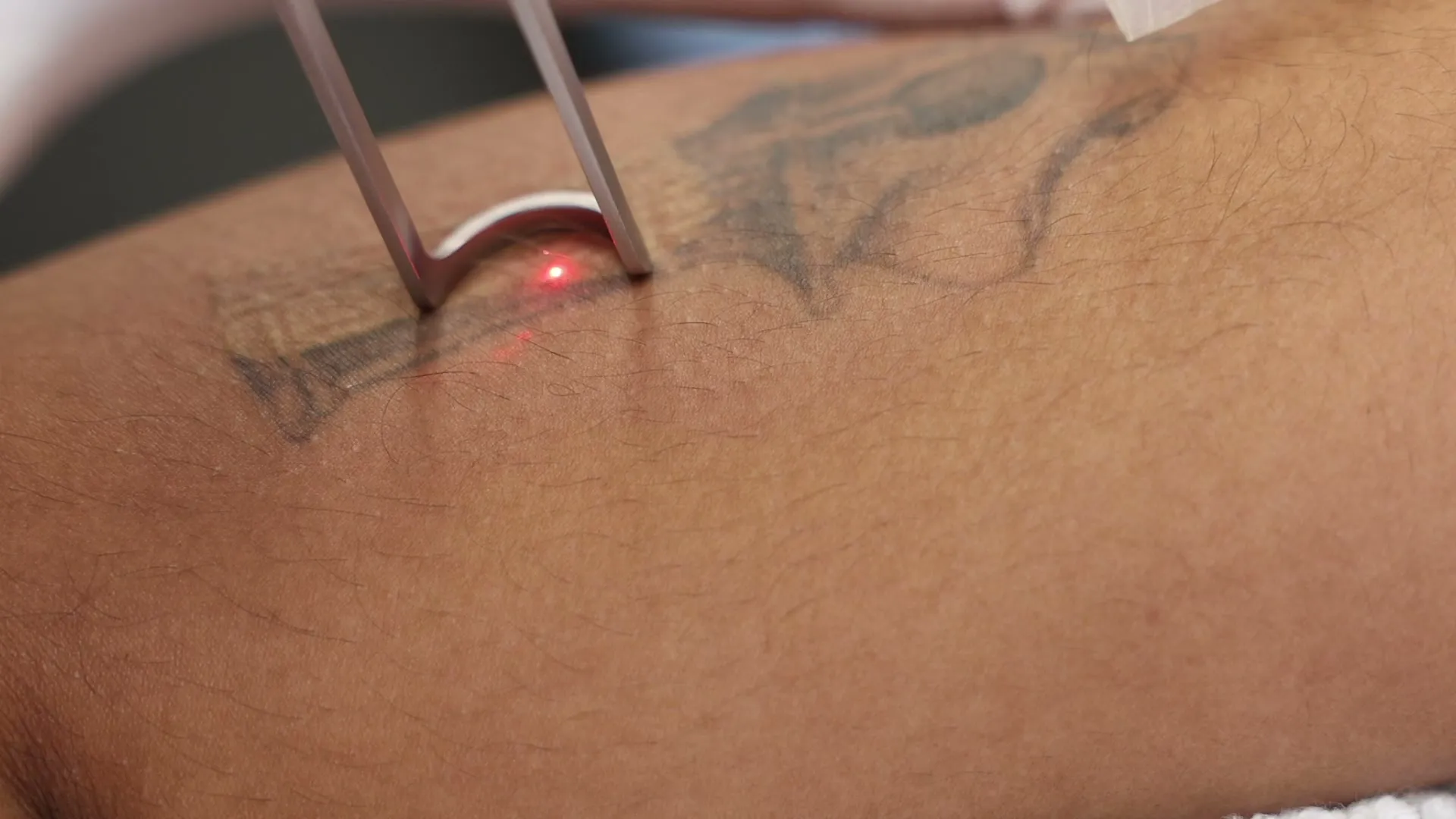
Traditional lasers rely on heat (a photothermal effect), which carries real risk for the surrounding tissue, especially in melasma-prone or deeper skin tones, where heat can trigger the very pigmentation you’re trying to clear. Picofy’s pulses are measured in trillionths of a second, so short that pigment is fragmented mechanically (a photoacoustic effect) before meaningful heat builds up. Think of it as turning “rocks into dust”: the shattered pigment particles are small enough for your body’s immune system to clear naturally over the following weeks, revealing progressively clearer skin with each session.
What the Picofy laser treats
Picofy excels where other treatments plateau: melasma, sun spots and age spots, post-inflammatory hyperpigmentation (the marks left after acne or injury), freckling, benign pigmented lesions, and uneven tone. Because the energy also remodels collagen in the dermis, it simultaneously softens acne scars and fine lines, refines enlarged pores, and improves overall skin quality, the “laser glow” clients describe after a series. We treat the face, neck, chest, and hands, the areas where pigment concerns show most.
What to expect at your appointment
Every Picofy series begins with a physician-led consultation: Dr. Mansoor evaluates the type and depth of your pigment, your skin tone, and your history so the laser settings are matched precisely to your skin. Treatment itself is quick. Most facial sessions take 20–30 minutes. You’ll feel rapid snapping sensations with mild warmth; cooling and topical numbing are available for comfort. Expect mild redness for a few hours to a day, and treated spots may temporarily darken before they flake away.
Your results timeline
In the first week, treated pigment typically darkens slightly and then flakes off as the skin turns over. Visible brightening usually appears within two to four weeks of the first session, and most clients complete a series of two to four sessions spaced about four weeks apart for full clearing. The collagen benefits build more gradually. Texture and pore refinement continue improving for two to three months after your final session.
Picofy vs. IPL vs. older lasers
IPL (like our Lumecca photofacial) is excellent for widespread, superficial sun damage and redness, and remains the right first choice for many clients. Q-switched lasers (the previous generation) use nanosecond pulses that rely more on heat, with slower clearance and higher risk on deeper skin tones. Picofy occupies the top tier: deeper, denser, or treatment-resistant pigment, melasma that IPL could worsen, and clients with medium to deep skin tones. Many of our pigment plans strategically combine modalities, one of the advantages of a clinic that offers all three.
What does Picofy treatment cost in Wichita?
Pricing depends on the size of the treatment area, the type and density of your pigment, and how many sessions your plan requires. A single stubborn spot is a very different treatment than full-face melasma. At your consultation you’ll receive an exact, personalized quote with series pricing before anything is scheduled. Given that picosecond treatment used to mean traveling well outside Wichita, most clients find the total investment very reasonable.
Benefits of Melasma & Dark Spot Laser.
- The only Picofy laser in Wichita
- Winner of the 2026 ELLE Tools & Treatments Award
- Effective on melasma and resistant dark spots
- Gentler on surrounding skin than older lasers
- Softens acne scars, texture, pores, and fine lines
- Suitable for a wide range of skin tones
- Physician-led settings and treatment planning